

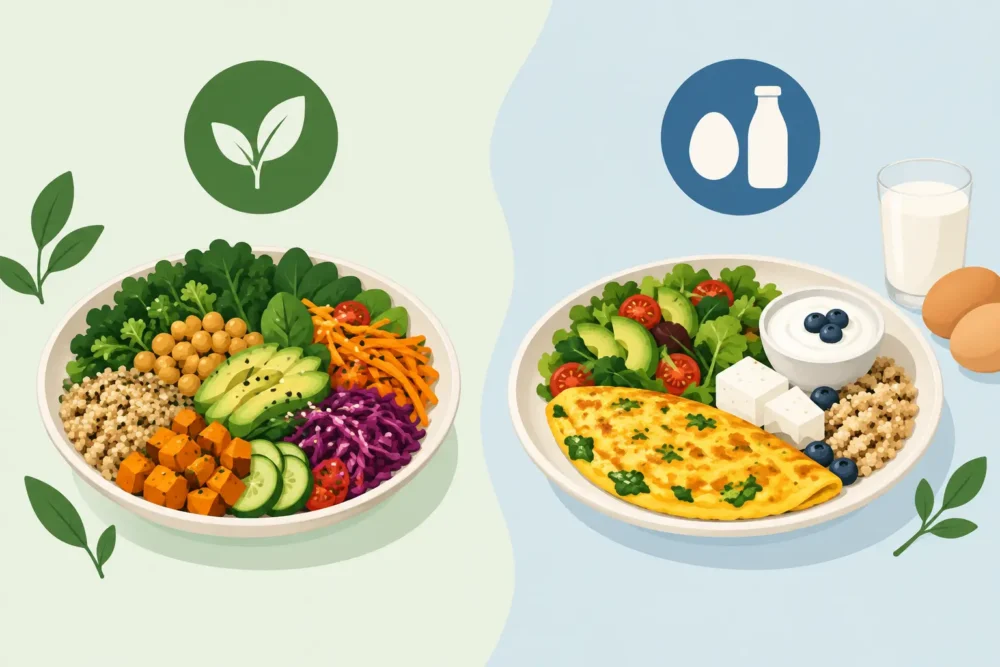
A shared table should not require a compromise meal. One guest may be looking for a plant-based dinner after a day on the trails, while another wants a vegetarian breakfast with eggs and cheese. Knowing the difference between vegan versus vegetarian menus makes it easier to choose a restaurant, ask the right questions, and settle in for a meal everyone can enjoy.
The distinction is straightforward at its core, but the details matter in a full-service kitchen. Sauces, cooking fats, garnishes, and preparation methods can change whether a dish works for a particular diet. For diners, a little clarity leads to more confident ordering. For restaurants, it is part of delivering generous, thoughtful hospitality.
Vegan Versus Vegetarian Menus: The Core Difference
Vegetarian menus exclude meat, poultry, and seafood. Many vegetarian diners do eat animal-derived ingredients, including eggs, dairy, honey, and cheese. That opens the door to dishes such as vegetable omelets, ricotta pancakes, cheese-forward salads, and meatless burgers topped with aioli.
Vegan menus go further. Vegan dishes avoid all animal-derived ingredients, including meat, fish, eggs, dairy, butter, cheese, honey, gelatin, and, for many diners, animal-based stocks or sauces. A vegan meal might feature seasonal vegetables, grains, legumes, plant-based proteins, fruit, nuts, and sauces made without dairy or eggs.
Neither choice is more complicated or more restrictive by default. It depends on the diner’s reasons and preferences. Some people choose vegetarian food for variety or because they enjoy a lighter meal. Others follow a vegan diet for ethical, environmental, cultural, or health-related reasons. The best menu accommodates both without treating either guest like an afterthought.
Why a Vegetarian Dish Is Not Always Vegan
The most common source of confusion is assuming that “meatless” means vegan. It does not. A vegetarian entrée can contain cheese, butter, cream, eggs, or honey. Even a salad that appears plant-forward may arrive with Parmesan, a dairy-based dressing, or a garnish prepared with butter.
Breakfast makes this especially clear. Avocado toast with a poached egg is vegetarian, but it is not vegan. Pancakes made with milk and eggs are vegetarian, but not vegan. Hash browns can be vegan when cooked in vegetable oil, yet they may not be if butter is used on the griddle. Small details carry real weight.
The same applies to familiar diner favorites at lunch and dinner. A vegetable burger may contain egg as a binder. A tomato soup may be finished with cream. Fries may be plant-based by ingredient but cooked in a shared fryer, which matters to some diners and not to others. There is no need to make assumptions when a quick, specific question can provide a better answer.
Ingredients Worth Asking About
A helpful restaurant team should be ready to clarify the ingredients that often sit just below the surface. Dairy and eggs are the obvious ones, but honey, mayonnaise, Worcestershire sauce, chicken stock, fish sauce, gelatin, and butter-based cooking methods can also affect a dish’s vegan status.
Sauces deserve special attention. A bright vinaigrette may be vegan, while a creamy herb dressing may contain dairy or egg. A grilled vegetable plate may sound vegan but be basted in butter. Asking whether a sauce can be served on the side or swapped for a plant-based option is often all it takes to make a dish work.
How to Order With Confidence at a Restaurant
Start by sharing your dietary preference clearly and early. “I’m vegan” is more useful than “I don’t eat meat” if you also need to avoid dairy and eggs. Likewise, a vegetarian diner can mention whether dairy and eggs are welcome, especially when ordering breakfast or dishes built around cheese.
Then ask focused questions rather than trying to decode every ingredient yourself. A server can confirm whether a soup uses vegetable stock, whether a grain bowl can be prepared without cheese, or whether a sauce contains butter. If cross-contact matters to you, say so. Kitchens can often explain shared cooking surfaces and fryer practices, though accommodation may vary with the dish and the flow of service.
Flexibility is a good sign, but it is also fair to recognize kitchen limits. A restaurant may be able to leave off cheese or substitute a dressing, while recreating an entrée from scratch during a busy dinner rush may not be practical. The strongest dining experiences happen when guests communicate their needs and teams respond with care, candor, and smart recommendations.
What Makes a Great Plant-Forward Menu
A strong vegan or vegetarian offering should feel intentional, not like a plate of sides assembled at the last minute. The best dishes bring contrast: something crisp, something savory, a satisfying texture, and enough substance to make the meal feel complete.
For vegan diners, that might mean roasted seasonal vegetables with grains, beans, mushrooms, toasted nuts, fresh herbs, and a bold plant-based sauce. For vegetarians, eggs, cheeses, and dairy can add richness, but they should support the dish rather than do all the work. Flavor still comes from technique, seasoning, acidity, and quality ingredients.
Choice matters, too. A single vegan salad is better than none, but it does not serve every occasion. A guest arriving for brunch, happy hour, dinner, or a late-night bite should be able to find something satisfying without having to negotiate an entire meal. Plant-forward dining feels most welcoming when it has the same sense of abundance as the rest of the menu.
Comfort Food Can Still Be Plant-Based
There is a lingering idea that vegan food must be austere and vegetarian food must be limited to salads. That misses the point of modern comfort food. A well-built plant-forward dish can be smoky, creamy without dairy, crispy, spicy, rich, and deeply satisfying.
Seasonal produce is particularly at home in Sedona, where visitors often want a meal that feels restorative after hiking but still memorable enough for a dinner out. Think charred vegetables, hearty grains, bright citrus, roasted chiles, satisfying potatoes, and sauces with real character. Familiar formats – bowls, sandwiches, salads, shareable plates, and desserts – make dietary accommodations feel approachable rather than separate.
At Rascal Modern American Diner & Bar, inclusive options fit naturally alongside chef-driven takes on the comfort-food classics guests already love. That is the goal: a menu where different preferences can meet at the same table, with no one settling for an uninspired backup plan.
Planning a Meal for Mixed Dietary Preferences
When a group includes vegan, vegetarian, and omnivorous diners, look beyond a single menu category. Consider whether the restaurant can offer satisfying choices across the table, from starters through dessert, and whether modifications are handled with care. A menu with a variety of vegetables, grains, proteins, sauces, and clearly explained preparations gives everyone more room to choose what sounds good.
Timing can matter as much as selection. Brunch groups may need vegan options beyond fruit, while dinner parties may appreciate plant-forward entrées substantial enough to pair with cocktails or a bottle of wine. For travelers, reliable late-night choices can be especially valuable after a full day exploring Sedona.
The next time you are choosing where to eat, treat dietary flexibility as part of the experience, not a box to check. A great meal should leave every guest feeling considered, comfortably full, and ready to talk about what they ordered long after the plates are cleared.