

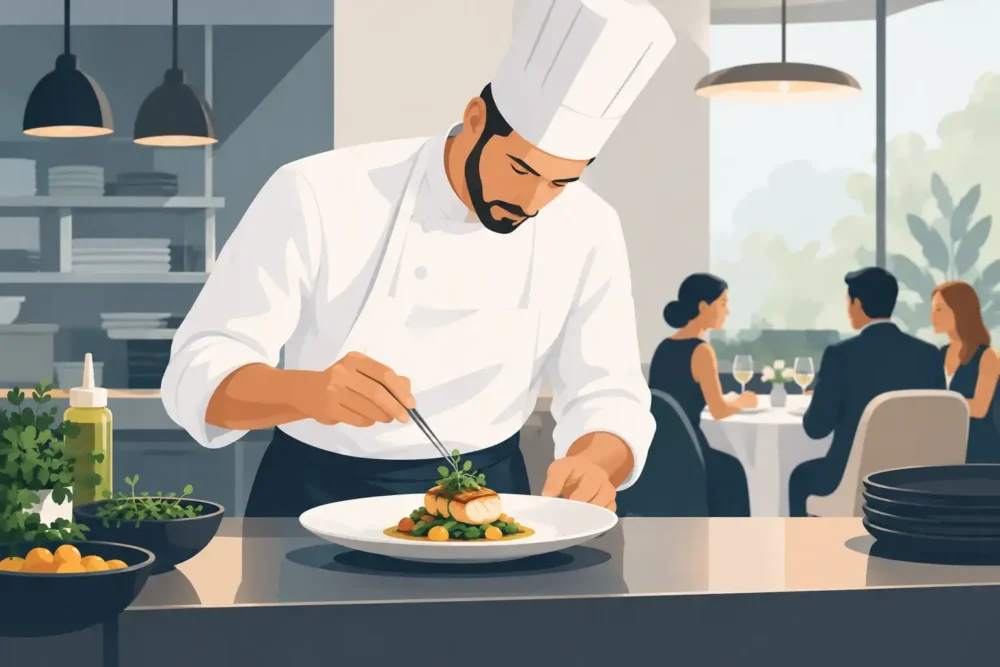
A chef led restaurant experience should feel noticeable from the first look at the menu, not just in a chef’s name printed at the bottom. It is the difference between a standard plate of pancakes and a breakfast worth slowing down for, between a familiar burger and one built with thoughtful ingredients, balanced sauces, and real attention to detail. For Sedona diners, that combination matters: comfort food should still feel comforting, but a great meal should give you something to talk about afterward.
At its best, chef-driven dining does not make guests work too hard for the experience. It takes the food people already crave – eggs after an early hike, a satisfying lunch, a cocktail and dinner after a day on the trails, or a late-night bite with friends – and makes every detail more memorable.
What Defines a Chef-Led Restaurant Experience
A chef-led restaurant is guided by a culinary point of view. The chef is not simply selecting dishes that seem likely to sell. They are shaping the menu’s flavors, setting standards for ingredients and preparation, and deciding how classic dishes can feel current without losing the appeal that made them classics in the first place.
That does not mean every plate has to be complicated. In fact, the strongest chef-led menus often look reassuringly familiar. A diner may recognize pancakes, salads, burgers, sandwiches, steaks, roasted chicken, and dessert, then find that the execution is a step above expectations. Seasonal produce adds brightness. A scratch-made sauce brings depth. A thoughtful garnish has a purpose rather than simply filling space on the plate.
This approach is especially welcome when a group has different appetites. One guest may want a fresh, vegetable-forward lunch, while another is ready for a juicy burger and fries. A chef-driven menu gives both diners a reason to feel well taken care of, rather than asking one person to compromise for the other.
Familiar Food, Made With More Intention
The appeal of modern American diner cuisine is simple: it meets people where they are. There is no need to decode an overly precious menu or reserve the experience only for special occasions. You can come in wearing trail shoes, meet a colleague for lunch, bring family to brunch, or settle in for dinner and cocktails.
The chef’s role is to make that accessibility feel deliberate. A great chef knows that a stack of pancakes needs the right texture as much as it needs a creative topping. Eggs should be properly cooked. A burger needs a well-seasoned patty, a bun that holds up, and toppings that complement rather than overwhelm. The goal is not to reinvent comfort food beyond recognition. It is to respect it enough to make it better.
That distinction is why chef-led dining can feel both easygoing and elevated. The meal still delivers the satisfaction people expect from a favorite diner dish, but it arrives with cleaner flavors, stronger technique, and a little more personality.
Seasonality Keeps the Menu Worth Returning To
Seasonal ingredients give a menu energy. They allow a restaurant to feature produce at its peak, adjust flavors for the weather, and keep regular guests interested without abandoning its core favorites. In Sedona, that can mean a brighter, lighter direction during warm afternoons and richer, more comforting dishes when the desert air cools down.
Seasonality should not become a gimmick. Guests should not have to chase trends to enjoy a good meal. Instead, it works best as a layer of care: a fresh special, a new salad, a sauce that reflects what is best right now, or a dessert that makes room for the season’s most appealing flavors.
For visitors, this creates a meal that feels connected to the moment. For locals, it gives them a reason to come back and see what is new while trusting there will still be a dependable favorite on the menu.
The Experience Extends Beyond the Plate
Food is the center of a chef-led restaurant experience, but it is not the entire story. Service, pace, drinks, setting, and flexibility all help determine whether a meal feels polished or merely adequate. A beautifully prepared dinner loses some of its appeal if guests cannot get a straightforward answer about dietary needs, wait too long for a drink, or feel rushed out the door.
Hospitality should make the experience feel natural. The best teams can guide a guest toward a menu favorite, recommend a cocktail that fits the meal, and accommodate vegetarian, vegan, or gluten-free preferences with confidence. They understand when a couple wants a leisurely dinner and when a group needs a satisfying meal before heading out for the evening.
Beverages deserve the same consideration as the food. A strong cocktail program is not about adding complexity for its own sake. It is about offering a well-made drink that fits the occasion, whether that is a crisp cocktail at happy hour, a glass of wine with dinner, or a zero-proof option that still feels festive. Done well, the bar becomes part of the reason to visit rather than simply a place to wait for a table.
Why It Works for So Many Sedona Occasions
Sedona dining often needs to be flexible. Travelers may want an easy breakfast before exploring. Hikers may be looking for a substantial lunch after a long morning outdoors. Resort guests might want dinner nearby without sacrificing quality. Locals need a reliable place for weeknight meals, celebrations, and late-night dining when many kitchens have already closed.
A chef-led restaurant can meet those needs because it pairs range with standards. The broad menu is useful, but quality is what makes that range meaningful. It is harder to deliver breakfast, brunch, lunch, dinner, happy hour, and late-night food well than it is to do one thing at one time of day. The details have to hold up across every shift.
That is part of what makes Rascal Modern American Diner & Bar a natural fit for Sedona. The restaurant brings award-winning Chef Mercer Mohr’s culinary leadership to approachable American favorites, creating a setting where an after-hike lunch can feel just as considered as a celebratory dinner. It is polished without becoming stiff, and broad enough for groups without feeling generic.
Chef-Driven Does Not Have to Mean Formal
There is a common misconception that chef-led food comes with an unspoken dress code, hushed dining rooms, and tiny portions. Some restaurants are built around that kind of experience, and there is a place for it. But it is not the only expression of culinary ambition.
For many diners, the better version is relaxed confidence. You want the kitchen to care deeply about flavor and quality, while the room still feels welcoming. You want to order a great meal without feeling as if you need a special occasion to justify it. You want a restaurant that can handle a date night, a family meal, a casual drink, or a group of friends without changing its personality.
That balance is not always easy to achieve. A menu can become so broad that it loses focus, or so elevated that it stops feeling inviting. The right chef-led concept holds onto both sides: bold food with familiar appeal, thoughtful service with an easygoing rhythm.
How to Choose the Right Chef-Led Meal
The best choice depends on what you want from the occasion. If you are coming off the trail, look for a menu with satisfying proteins, fresh salads, and comforting classics that do not feel heavy for the sake of being heavy. If you are planning date night, consider a place where the cocktails, dinner menu, and atmosphere all carry equal weight. If your group includes dietary restrictions, choose a restaurant that offers real options rather than a single afterthought.
It also helps to think about timing. A restaurant with strong all-day service can be a gift on a travel day, when plans shift and hunger does not follow a schedule. Late-night dining is particularly valuable in Sedona, where a good full dinner after an evening activity can be harder to find than it should be.
The most memorable meals are rarely about chasing the most elaborate dish in the room. They come from choosing a place where the food feels personal, the service feels genuine, and every guest at the table can order with confidence. That is the lasting appeal of a chef-led restaurant: it turns an everyday meal into a reason to stay a little longer.