

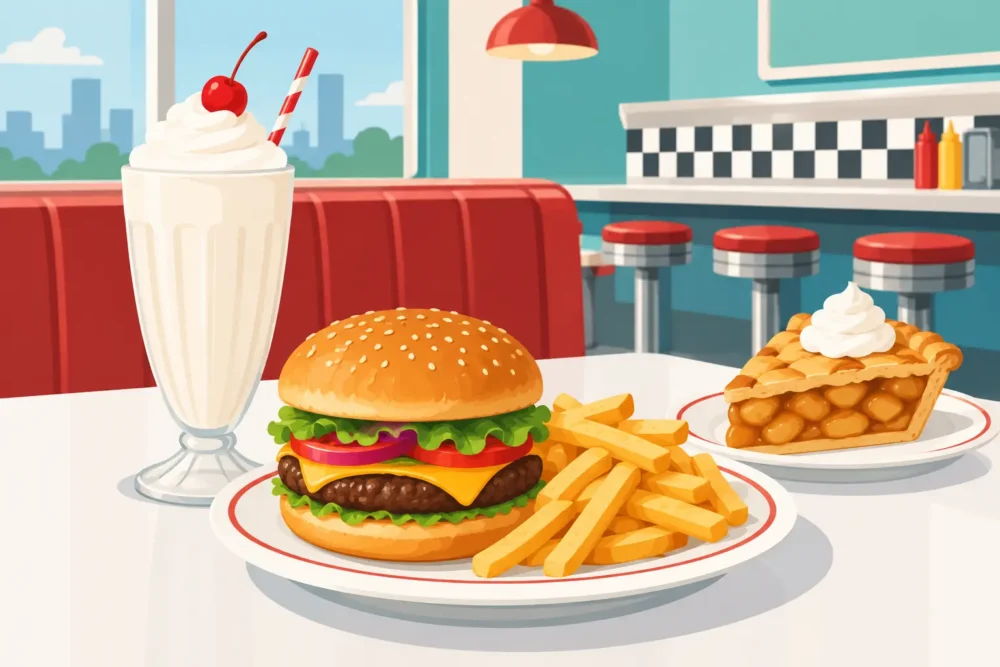
A great diner meal has always been about more than what is on the plate. It is the relief of a hot breakfast after an early Sedona hike, the satisfaction of a burger done right, and the comfort of finding a full dinner when most kitchens have closed. This guide to modern American diner food explains how familiar favorites have grown into something more thoughtful, chef-driven, and memorable without losing the easygoing spirit that makes diner food special.
What Makes Diner Food Modern?
Classic American diners built their reputation on reliable pleasures: eggs, pancakes, sandwiches, burgers, salads, meat-and-potato plates, pie, and a good cup of coffee. Modern diner food keeps that foundation, then asks more of every component. The ingredients are more seasonal, the sauces are made with intention, and the presentation feels current without becoming fussy.
That distinction matters. A modern diner is not trying to turn comfort food into an unrecognizable fine-dining experiment. It is about making a stack of pancakes, a bowl of greens, or a late-night entrée taste as good as the idea of it sounds. You still get the familiarity. You also get balance, texture, freshness, and the kind of detail that makes a simple meal worth talking about afterward.
For diners, that means a broader kind of restaurant experience. You can come in wearing hiking clothes, order a satisfying lunch, share cocktails at the bar, or settle into a celebratory dinner without feeling out of place. The food is approachable by design, but the execution raises the bar.
A Guide to Modern American Diner Food by Daypart
One of the best things about modern American diner food is its range. It fits the way people actually eat, not just a narrow window between lunch and dinner. The menu may shift through the day, but the goal stays consistent: generous, recognizable food with a little more personality.
Breakfast and brunch with more character
Breakfast is where diners earned their place in American food culture. Eggs, crisp potatoes, golden toast, bacon, fruit, and pancakes remain essential because they work. A modern approach starts with quality and restraint: eggs cooked accurately, potatoes with a satisfying crust, pancakes that are tender rather than overly sweet, and seasonal fruit that brings brightness to the plate.
Brunch expands the possibilities. It can lean savory with skillets, egg-forward plates, breakfast sandwiches, and creative takes on classic benedicts. Or it can deliver a sweeter escape through French toast, waffles, or pancakes finished with house-made toppings and thoughtful accompaniments. The trade-off is simple: a brunch menu should offer indulgence, but it should also leave room for diners who want something lighter before a day on the trails or an afternoon in town.
Lunch that does not feel like an afterthought
Modern diner lunches are built for flexibility. A burger may be the headline, but it should not be the only reason to visit. Strong lunch menus make room for substantial salads, sandwiches with real structure, grain-forward bowls, and lighter plates that still feel like a meal.
The difference often comes down to contrast. A rich sandwich needs acidity or crunch. A salad needs enough protein, texture, and dressing to be satisfying. A burger benefits from a well-seasoned patty, a bun that can hold its shape, and toppings that add flavor rather than simply height. These are small choices, yet they separate a forgettable lunch from one you plan to repeat.
Dinner that keeps comfort at the center
At dinner, modern American diner food gets more expansive. Expect proteins with seasonal sides, composed salads, elevated pasta or grain dishes, and hearty entrées that feel equally right for a casual night out or a special occasion. The best menus balance familiar options with a few surprises, giving groups enough variety to order according to their mood.
This is particularly useful when one table includes a devoted burger fan, a vegetarian, someone avoiding gluten, and a diner looking for a more refined entrée. A restaurant should not make that group negotiate the menu. Thoughtful accommodations allow everyone to choose confidently while sharing the same experience.
Late-night food worth staying up for
Late-night dining is often limited to convenience food, which is exactly why a full, well-made dinner menu stands out. After a long drive, an evening event, or a day exploring Sedona, people want more than a snack. They want a real plate of food, a good drink, and a place that still feels welcoming.
Late-night diner food should be comforting, direct, and satisfying. This is the right moment for burgers, shareable starters, sandwiches, desserts, and dishes with enough substance to turn the end of the night into part of the occasion. The atmosphere matters too. A lively bar scene can bring energy, while attentive service keeps the experience from feeling rushed or transactional.
The Building Blocks of a Great Modern Diner Menu
A well-rounded menu earns its versatility by getting the fundamentals right. The most successful modern diners do not rely on novelty alone. They make recognizable dishes better through ingredient choices, kitchen technique, and a clear point of view.
First comes the flavor foundation. Handcrafted sauces, bright dressings, slow-cooked elements, and well-seasoned proteins create depth that cannot be replaced by a long list of toppings. Then comes texture: crisp, creamy, charred, tender, crunchy, and fresh elements all have a role to play. Finally, there is proportion. A plate can be generous without being heavy, and indulgent without being one-note.
Seasonality brings another layer of interest. When produce is at its best, a salad becomes more than a side option, and a vegetable can hold its own beside a steak or chicken dish. Seasonal ingredients also keep repeat visits exciting. There is comfort in ordering a familiar favorite, but there is also pleasure in finding a new garnish, sauce, or special that reflects the moment.
Drinks and Dessert Belong in the Experience
The modern diner bar is not an add-on. It is part of the rhythm of the restaurant. A signature cocktail can set the tone before dinner, a local beer can make a burger feel complete, and a thoughtful zero-proof option makes the table more inclusive. The best beverage programs offer choice without making guests work for it.
Cocktails should be balanced and easy to enjoy, whether you are beginning a date night or winding down after a day outdoors. Wine and beer should support the food rather than compete with it. And if your meal calls for a classic diner finish, dessert should deliver comfort with the same care as the rest of the menu. Think familiar flavors, smart presentation, and enough generosity to share if you feel like it.
How to Order for Your Occasion
There is no single right way to experience a modern diner. If you are heading out early, choose a breakfast that gives you energy without slowing you down. For a casual lunch, pair a sandwich or salad with something crisp and refreshing. At dinner, let the table order across categories so everyone gets a taste of the menu’s range.
For celebrations, start with shareable dishes and cocktails, then move into entrées that feel a little more substantial. If you are coming in late, do not assume you have to settle. A proper dinner, a well-made drink, and dessert can be exactly what the night needs.
At Rascal Modern American Diner & Bar, that all-day flexibility is part of the appeal: comfort-food instincts, chef-driven confidence, and a place at the table for every kind of appetite. The next time you are choosing where to eat in Sedona, follow the simple test that matters most: pick the place where the familiar sounds good, but the experience promises more.