

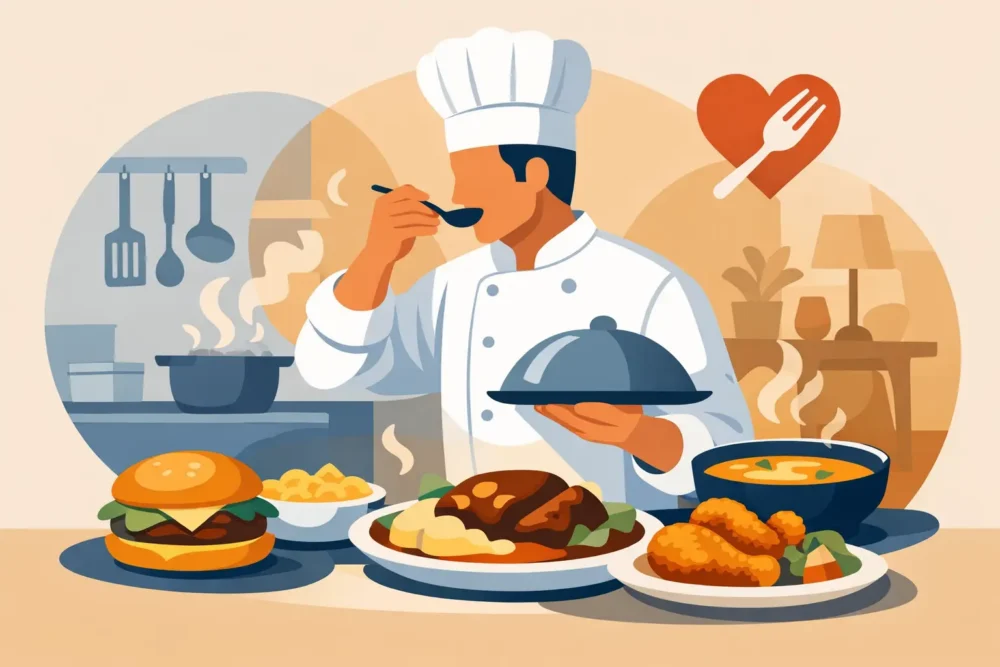
You can tell the difference with the first bite. The burger is still the burger you wanted, but the beef is richer, the sauce tastes made for that plate and not pulled from a bottle, and every element lands exactly where it should. That is the appeal of chef driven comfort food – familiar dishes with real intention behind them.
Comfort food has always had range. Sometimes it is pancakes at breakfast after an early trail start. Sometimes it is a crisp salad with grilled protein at lunch, a stacked burger at dinner, or a late-night plate that feels exactly right after a long day out in Sedona. What changes in a chef-driven setting is not the heart of the dish. It is the level of care, the balance, and the confidence to make something classic feel fresh again.
Why chef driven comfort food stands out
A lot of restaurants promise elevated classics. The phrase gets overused because it sounds good, but it does not always mean much on the plate. Chef driven comfort food earns that description through execution.
It starts with understanding why people love comfort food in the first place. These dishes are built on recognition. Guests know what they are ordering and have a clear expectation of how it should feel. A pancake should be tender and satisfying. A plate of eggs should feel generous and cooked with precision. A burger should deliver richness, texture, and just enough mess to be fun. Dessert should feel indulgent without being heavy for the sake of it.
When a chef leads the kitchen with that understanding, the goal is not to make the food complicated. The goal is to make it better. Better ingredients. Better technique. Better seasoning. Better pacing. Better presentation. The result is a meal that feels approachable but never ordinary.
That balance matters. If a restaurant pushes too far into novelty, comfort food stops being comforting. If it stays too safe, it becomes forgettable. The sweet spot sits in the middle, where recognizable dishes get sharper flavor, cleaner execution, and a little personality.
The real difference is in the details
The easiest way to understand chef driven comfort food is to look at what happens behind the scenes. On the dining room side, a plate may seem simple. In the kitchen, it rarely is.
A chef-driven menu pays attention to ingredients that actually change the experience. Seasonal produce brings brightness and texture that frozen, out-of-season options cannot. Housemade sauces create cohesion across the dish instead of just adding richness. Proteins are cooked with consistency, which sounds basic until you have had enough overdone chicken breasts and dry burgers to know it is not. Even garnish matters when it adds contrast instead of taking up space.
Technique matters just as much. Pancakes need restraint or they become dense. Eggs require timing and control. Salads only work when acid, fat, crunch, and freshness are in sync. Burgers need the right sear, the right bun, and toppings that support the meat instead of burying it. None of that is flashy, but that is exactly the point. Great comfort food often comes from discipline more than showmanship.
Presentation also plays a role, though there is a trade-off. Guests want food that looks current and well composed, especially in a destination dining market. At the same time, nobody wants a tiny, overly styled version of a diner favorite that misses the spirit of the original. Chef driven comfort food works best when the presentation feels polished but generous, modern but still satisfying.
Familiar food, broader possibilities
One reason this style resonates so strongly is that it fits real life. People do not always want a formal tasting menu, and they do not always want a basic grab-and-go meal either. There is a lot of room between those extremes.
That is where modern American diner cooking has an advantage. It can stretch across the day without losing its identity. Breakfast can feel comforting and vibrant at the same time. Brunch can lean celebratory without becoming fussy. Lunch can be quick, but still feel like a proper meal. Dinner can bring stronger flavors, handcrafted cocktails, and a little more occasion. Late night can still deliver quality when most kitchens have already scaled back.
For guests, that flexibility is part of the value. A couple on vacation might want a relaxed breakfast one day and a more energetic dinner the next. Locals may need a reliable lunch spot during the week, then return for drinks and dessert on the weekend. Outdoor adventurers often want food that feels rewarding after a long hike, while mixed groups need menus that work for vegetarians, gluten-free diners, and guests who just want a great cheeseburger. Chef driven comfort food makes that range possible because it starts with familiar categories and then raises the standard across all of them.
What guests are really looking for
When people choose this kind of restaurant, they are usually not chasing culinary theater. They want confidence. They want to know the kitchen can handle the classics and still make the meal feel memorable.
That confidence shows up in a few ways. First, the menu reads clearly. Guests should not have to decode every dish. A chef-driven restaurant can be creative without becoming obscure. Second, the experience feels inclusive. A great comfort-food menu should have enough range that different tastes and dietary needs can sit at the same table and all leave happy. Third, the atmosphere supports the food. If the room feels too stiff, comfort food loses some of its appeal. If it feels too casual, the chef-driven part can disappear. The best rooms land somewhere stylish, warm, and easy.
This is especially true in a place like Sedona, where dining often has to meet people in different moods. Some guests are coming from the resort and want an easy, polished meal close by. Some are visiting for the weekend and want a place that feels destination-worthy without being formal. Some just finished a day outside and want a cocktail, a satisfying plate, and a seat where they can relax. Chef driven comfort food works because it meets all of those moments without asking guests to change who they are.
Chef driven comfort food is not about being trendy
Trends come and go fast in restaurants. Comfort food lasts because it is tied to craving, memory, and mood. The chef-driven version should respect that.
That means innovation has limits. Sometimes adding a seasonal ingredient or a sharper sauce is enough. Sometimes the best move is to improve the cooking and leave the structure of the dish alone. Reinvention only works when it makes the food more delicious. If it exists just to sound clever on a menu, guests can feel that right away.
Award-winning kitchen leadership can make a major difference here because experience helps with restraint. A strong chef knows when to push and when to leave a favorite alone. That judgment is what turns a menu from interesting to dependable. People come back to restaurants that surprise them a little and satisfy them completely.
Rascal Modern American Diner & Bar leans into that sweet spot with a menu that keeps the spirit of diner comfort intact while bringing more depth, seasonality, and polish to the table. It feels modern, bold, and unforgettable without losing the ease that makes comfort food so appealing in the first place.
Why this style of dining keeps growing
There is a practical reason more diners are looking for chef driven comfort food. People want value, but they define value differently than they used to. It is not only about portion size or price. It is also about whether the meal feels worth the time, the appetite, and the occasion.
A well-made comfort-food dish can satisfy that better than something overly formal or overly basic. It gives guests what they came for – flavor, familiarity, and a sense of reward – while still offering the quality and atmosphere they expect when they go out. For restaurants, that creates a strong foundation because the menu can appeal to a wide audience without becoming generic.
There is also something reassuring about a place that can do a lot well. Breakfast, brunch, lunch, dinner, happy hour, and late night all ask for different rhythms. Not every restaurant can move through those moments with consistency. The ones that can become go-to spots because they solve more than one dining need. That matters to travelers planning around a busy itinerary and to locals who want one place they can count on for different occasions.
Chef driven comfort food keeps growing because it meets the way people actually eat. Some nights call for celebration. Some mornings call for recovery. Some afternoons just need a great sandwich, a crisp salad, and service that gets the tone right. Familiar food, done with skill, fits all of it.
The best version of comfort food does not ask you to lower your expectations just because the dish is familiar. It reminds you that simple favorites, in the right hands, can still be the most satisfying thing on the table.